
Monday begins with your security manager updating the risk register. Two days later, a developer updates a cloud access policy. The week ends with a new security procedure on file while the Statement of Applicability has not been updated beyond the older version.
Nothing especially alarming has happened. Yet these small discrepancies can create serious difficulties when an ISO 27001 auditor starts examining the documentation. The difficulty for a startup is coordinating security responsibilities without taking attention away from the business.
Why Separate Spreadsheets Demand Constant Attention
For many teams, spreadsheets offer a accessible and inexpensive way to organize information. They are also easy to duplicate, overwrite, or forget. A small business may initially keep security risks, policies, and control assignments in separate files. Once multiple employees begin updating information or control owners change, the initial tracking method becomes harder to coordinate.
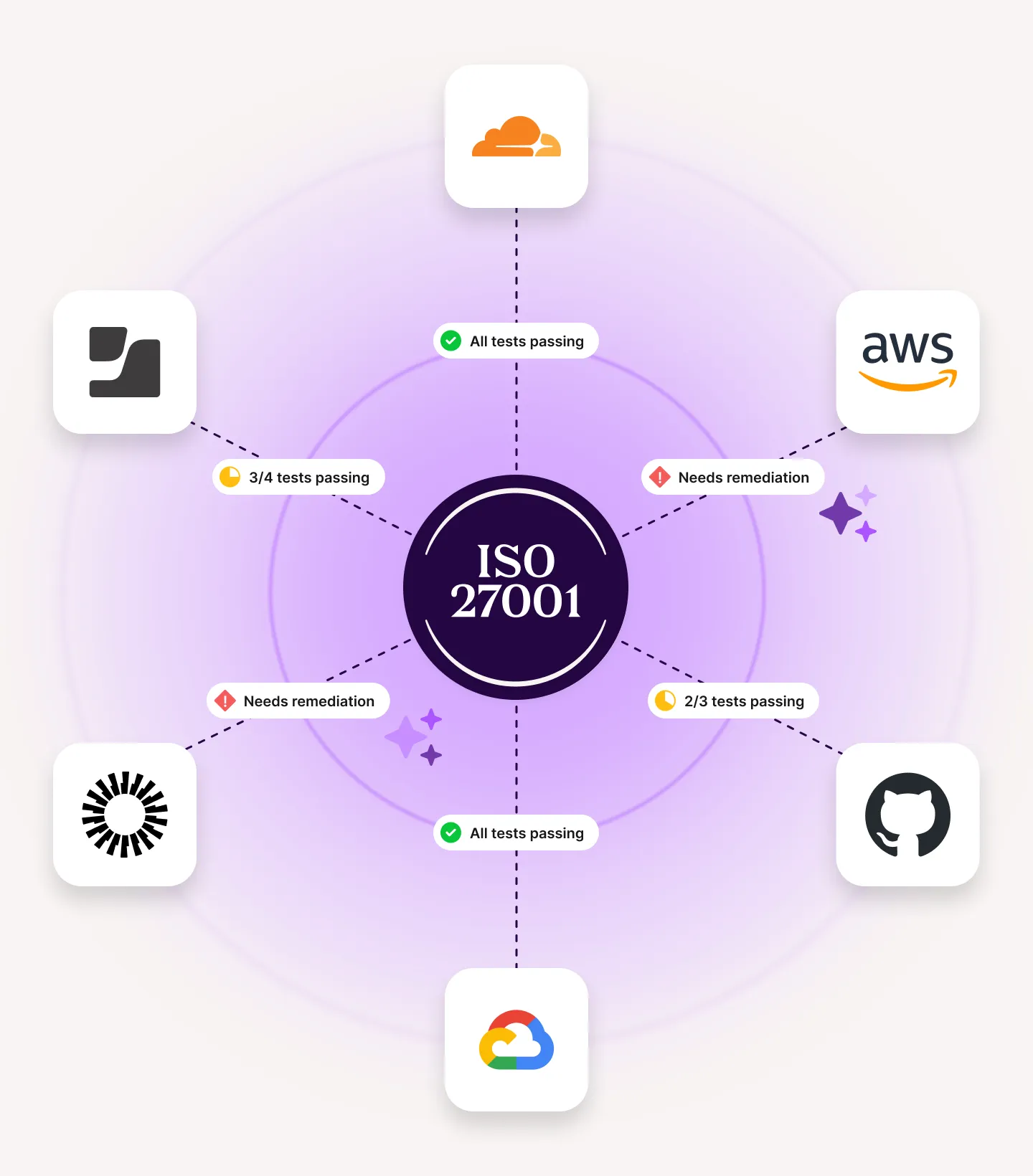
A structured workspace in ISO 27001 compliance software can connect related compliance activities. A shared workspace makes it easier to locate the evidence behind a control in one place.
The Practical Question Founders Need to Ask
A new subscription only helps if someone maintains it, so ask first: Who will be responsible for updates?
A startup with eight employees probably does not need the same compliance infrastructure as a multinational organization. In a small team, risk assessments may fall to founders, technical controls to developers, and documentation to a designated coordinator.
ISO 27001 software should help a team see who owns each task rather than create another administrative burden. Ease of use matters because a compliance platform offers little value if employees avoid updating it.
Why the Statement of Applicability Needs Careful Review
The Statement of Applicability is more than an administrative requirement. The document records which controls are considered necessary, the reasons for those decisions, and their implementation status.
For example, a company using cloud-hosted infrastructure still needs to consider relevant physical security risks, even when the cloud provider manages the underlying facilities.
The business should maintain current explanations of its responsibilities and control decisions. Linking the risk register with the Statement of Applicability helps an auditor follow the reasoning behind decisions.
What Should You Expect During an Audit?
The audit may involve reviewing security policies alongside risk treatment decisions. A fragmented filing process can make it slower to gather audit materials. ISO 27001 certification software helps organize these materials, but it does not guarantee that the evidence is sufficient or that certification will be granted.
An accredited certification body, not the software provider, determines the outcome of its certification assessment. Clear records simply make the assessment process more straightforward to support.
How Smaller Teams Can Organize ISO 27001 Work
When evaluating software, startups need to weigh cost, staff capacity, and the compliance work they genuinely need to manage. Businesses looking into the best compliance software for startups ISO 27001 certification may consider CertAssist for its straightforward approach. Its features include the clauses of ISO 27001 and Annex A controls, along with a risk register, Statement of Applicability, editable policy guidance, and evidence storage.
Auditors can be given direct access, and the platform does not require connections to internal infrastructure. Businesses that want to manage evidence directly may find that approach useful.
How to Avoid Letting Compliance Slow Operations
Certification preparation should not prevent employees from focusing on customers, product development, and daily operations. A manageable system supports up-to-date evidence, visibility into incomplete work, and preparation for an independent audit.
CertAssist aims to give smaller businesses a practical framework for compliance tasks without excessive administrative complexity. The number of available features does not necessarily determine whether it is the right choice. The important question is whether the platform helps your team keep compliance tasks under control as it grows.