
When it comes to maintaining the septic tank, a lot of homeowners are unaware of the significance of risers for the septic tank. These simple but essential components provide easy access to the tanks that are septic, which makes regular inspections, maintenance, and pumping much simpler. Installing risers to your septic system can eliminate the need to dig up the soil for each service. It not only saves time and effort, but also reduces the disruption to your landscaping. Septic tank risers also minimize the chances of accidents or injuries that might be sustained during maintenance, as they provide a secure and easy entry point to the tank.
Effluent management is another critical aspect of maintaining a healthy septic system. Effluent refers to the liquid waste that flows out of the septic tank to the drain field to be treated. It’s composed of water, bacteria and organic matter. As time passes, the solid particles in the effluent can settle at the bottom of the tank, and form a layer of sludge. If this sludge doesn’t get addressed quickly, it will build up, clog up the system and lead to backups, unpleasant odors and possible damage to the drainfield. Regular pumping and the management of effluent ensure that the tank functions efficiently, preventing blockages and extending its lifespan.
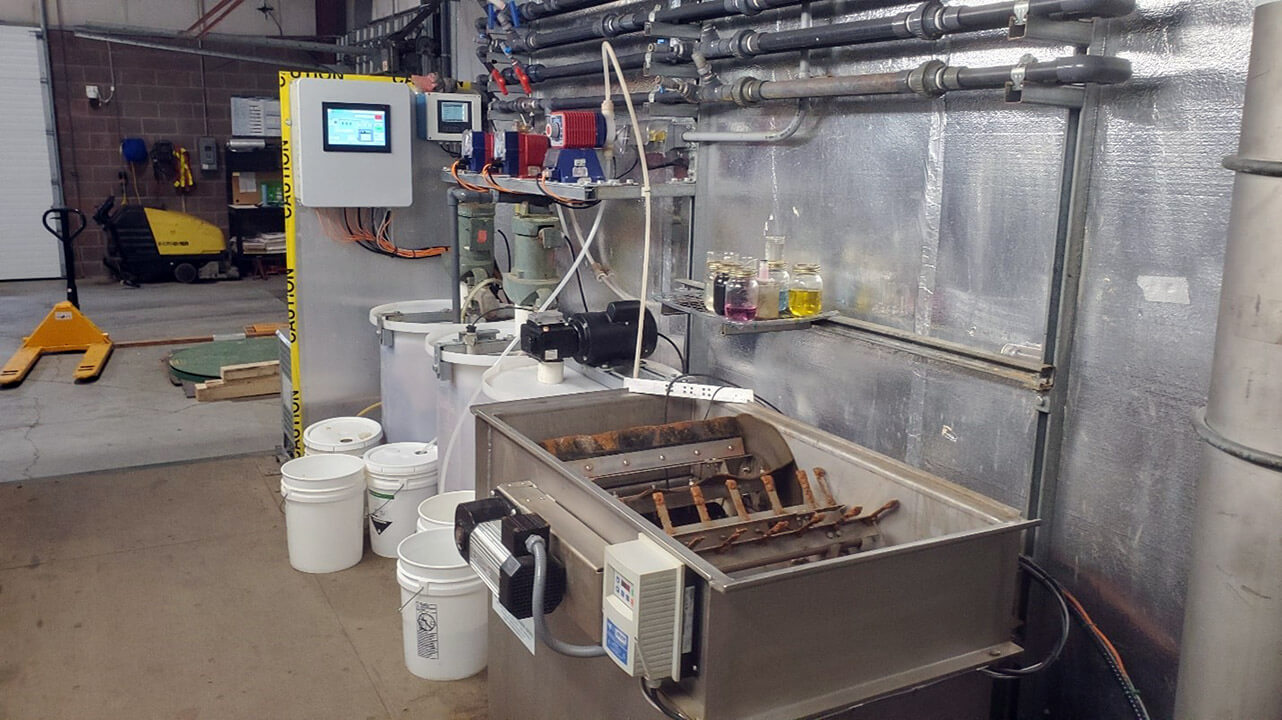
The proper drainage of the septic tank is vital for its proper functioning. As the water that is pumped out of your home and is absorbed into the septic tanks, it goes through an organic separation. Solid waste is deposited on the bottom of the tank while lighter oils and other substances can float to the top and form the scum layer. The liquid residue, which is also referred to as effluent or waste, exits the tank to go into the drainfield to further filter. A well-designed drainage system allows effluent to flow easily, preventing floods and back-ups. It is essential to ensure that the drainage pipes are clear of roots, debris or other obstructions that could hinder the effluent’s flow. Regular inspections and maintenance of the drainage system are able to avoid costly repairs and environmental pollution.
Selecting the best septic tank for your house is an important choice that could have long-term consequences for your property’s sanitation and functioning. There are many options that are available. It is crucial to think about a number of aspects prior to making your choice. The first step is to determine the size of the septic tank by analyzing your household’s typical water consumption as well as the number of residents. If you have a big household or often entertain guests, then a bigger tank is required. The second thing to consider is the material for your tank. Plastic, concrete and fiberglass are the most common options. Each material offers advantages and disadvantages with respect to their durability, price and maintenance. Be sure to check the local regulations and guidelines for the septic tanks. The tank you choose should to meet the standards required and complies with all guidelines.
Talk to a professional who can install septic tanks. They can offer you expert advice based on your soil’s type and topography. You can choose the most suitable septic system for your property by carefully considering all of these factors. It will provide an efficient, reliable and effective wastewater management system.
The correct functioning and maintenance of septic tanks as well as the efficient management of effluents, the installing risers and ensuring that the drainage is proper are all crucial elements for the health and reliability of a septic system. Septic tanks function as a primary treatment facility for wastewater produced by household waste, and monitoring of effluents ensures that the treated liquid waste is eliminated in a safe manner. Risers provide convenient access to the septic tank, which makes maintenance tasks easier and safer. A proper drainage system allows the effluent to flow easily which prevents back-ups as well as system failures. In the long run, focusing on these issues and following regular maintenance procedures will ensure that the septic system is environmentally eco-friendly, efficient and last for a long time. This creates a healthier and safe living environment.