
Play is essential to the development of children. It stimulates imagination, mental development and mental health. Toys are especially important when children have specific sensory requirements, such as those with ADHD or autism. To meet these unique requirements, there are a variety of products and toys specially designed. From ADHD toys for kids to autism-friendly products and sensory toys for children, these offerings provide an opportunity for inclusive and purposeful playtime.
ADHD Toys for Children: Helping to Foster the ability to focus and engage
Children with Attention Deficit Hyperactivity Disorder (ADHD) typically struggle with maintaining attention and regulating their impulses. Intense toys that help channel their energy efficiently are essential to their development. ADHD toys for kids are created to give them an experience in the senses that will draw their attention and increase their concentration.
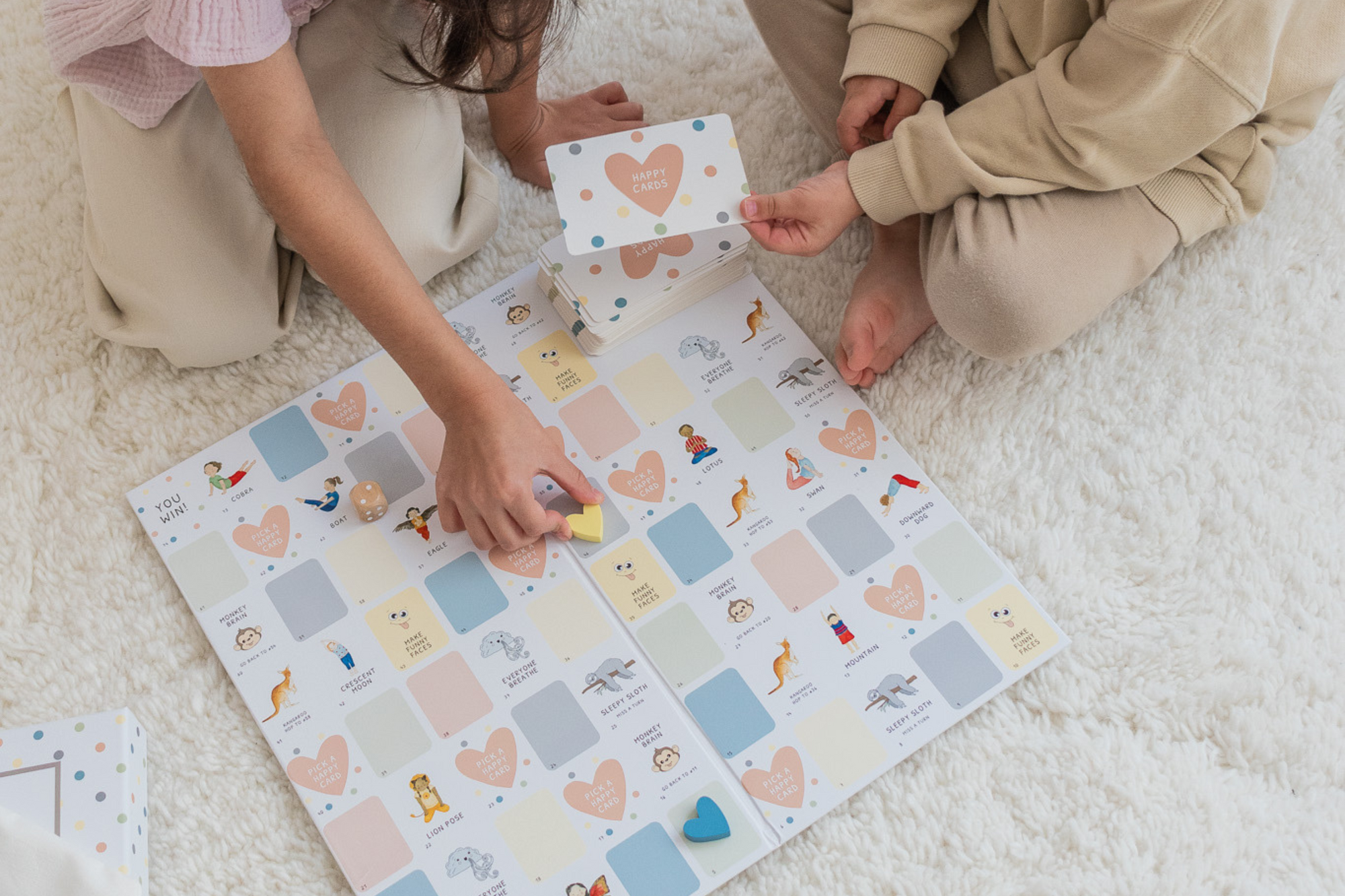
Toys that can benefit children with ADHD include games that are interactive, such as building sets and fidgeting toys. They encourage tactile exploration, problem solving and also the development of fine motor skills. Fidget toys are a great tool to keep hands of children busy and stimulate their senses and improve concentration.
Autism-Friendly Product: Supporting Diverse Sensory Needs
Autism is a developmental disorder that affects the ability to communicate and interact socially often is accompanied by sensory sensitivities. For children on the autism spectrum, having the suitable toys can make the big difference in their play experience. Toys for children with autism are designed to address sensory issues and to facilitate positive interaction.
Toys with calming lights and sounds, as well as sheet-like sheets with weights, and sensory balls are some examples of these items. They are made to appeal to different senses, while also providing a sense of comfort and security. The soothing effects of the toys can reduce stress and anxiety. It allows children to feel more at ease within their surroundings.
Sensory Toys For Children Toys For Children: Exploring A Multisensory World
Sensory play is essential to every child as it fosters exploration, cognitive development and a better understanding of their surroundings. Sensory toys are vital for children with sensory processing disorder (SPD) A disorder that can impact the way they perceive and respond to sensory stimuli.
Sensory toys offer a wide variety of choices, ranging from tactile toys such as squishy stress balls to more visual toys like light projectors. These toys stimulate different senses, helping children develop sensory connections, increase their language skills, and increase their ability to take in sensory information. The tactile, visual as well as auditory components of these toys contribute to holistic sensory development.
SPD Products to Support Children with Sensory Processing Disorders
Children who suffer from sensory processing disorders need products tailored to their individual sensory needs and encourage engagement and comfort. SPD products are specifically designed to aid children with managing sensory sensitivities and enhancing their sensory experiences.
Items like sensory swings, heavy vests, and even sensory bins are a few examples of SPD products that encourage regulation and exploration of sensory. Sensory swings can provide calming vestibular stimulation, while weighted vests provide gentle pressure, which can create a an calming effect. Sensory bins filled with different types of textures stimulate imaginative play and touch.
Things to take into consideration when selecting the right toys
When choosing toys and products designed for children who suffer from ADHD, Autism, or Sensory Processing Disorders there are a variety of factors to consider.
1. Sensory Features: Choose products that offer tactile, visual or auditory sensory experiences, aswell as proprioceptive sensory experiences, to meet the needs of specific children.
2. Safety: Make sure that the toys are secure, free from tiny pieces that could pose an choking hazard and constructed from non-toxic materials.
3. Engaging: Choose toys that capture the child’s interest and encourage interaction and creative play.
4. Comfort: Search for products that are comfortable and secure, particularly for children who are sensitive to touch.
5. Inclusivity: Increase the number of children who are included by focusing on the toys that all children have fun with.
In a world where play is an essential vehicle for growth and development, it’s heartening to see the emergence of products and toys designed specifically to meet the various demands of children with ADHD as well as autism and sensory processing disorders. ADHD toys, autism-friendly toys, and sensory toys are not just fun, but they aid children to feel part of a community, a part of it and energized.
As caregivers, parents, and teachers The choices we make when selecting these toys will have a major influence on the development of a child’s journey. We can foster a more open, supportive and welcoming setting by providing children with the opportunity to play with meaningful and is mindful of their individual sensory demands.